Helping women’s home businesses grow
Our first project, in collaboration with Dar Al Atta, gives women who run home businesses in Oman their own packaging, labelling and sealing equipment, followed by training and help finding new customers.
- About 300 OMR equips one woman
- Every donation goes directly to Dar Al Atta
- Raising funds until Thursday 31 December 2026
Good products, plain jars
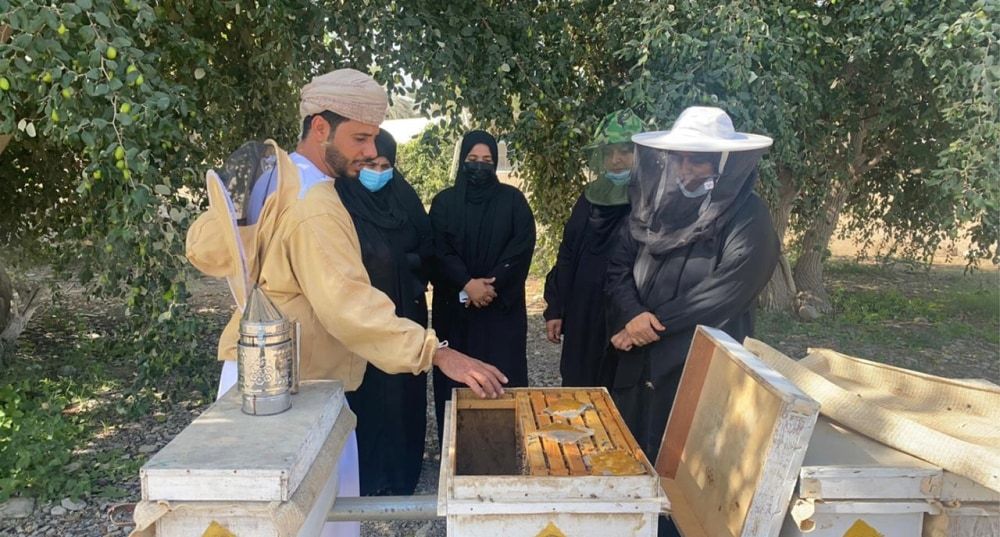
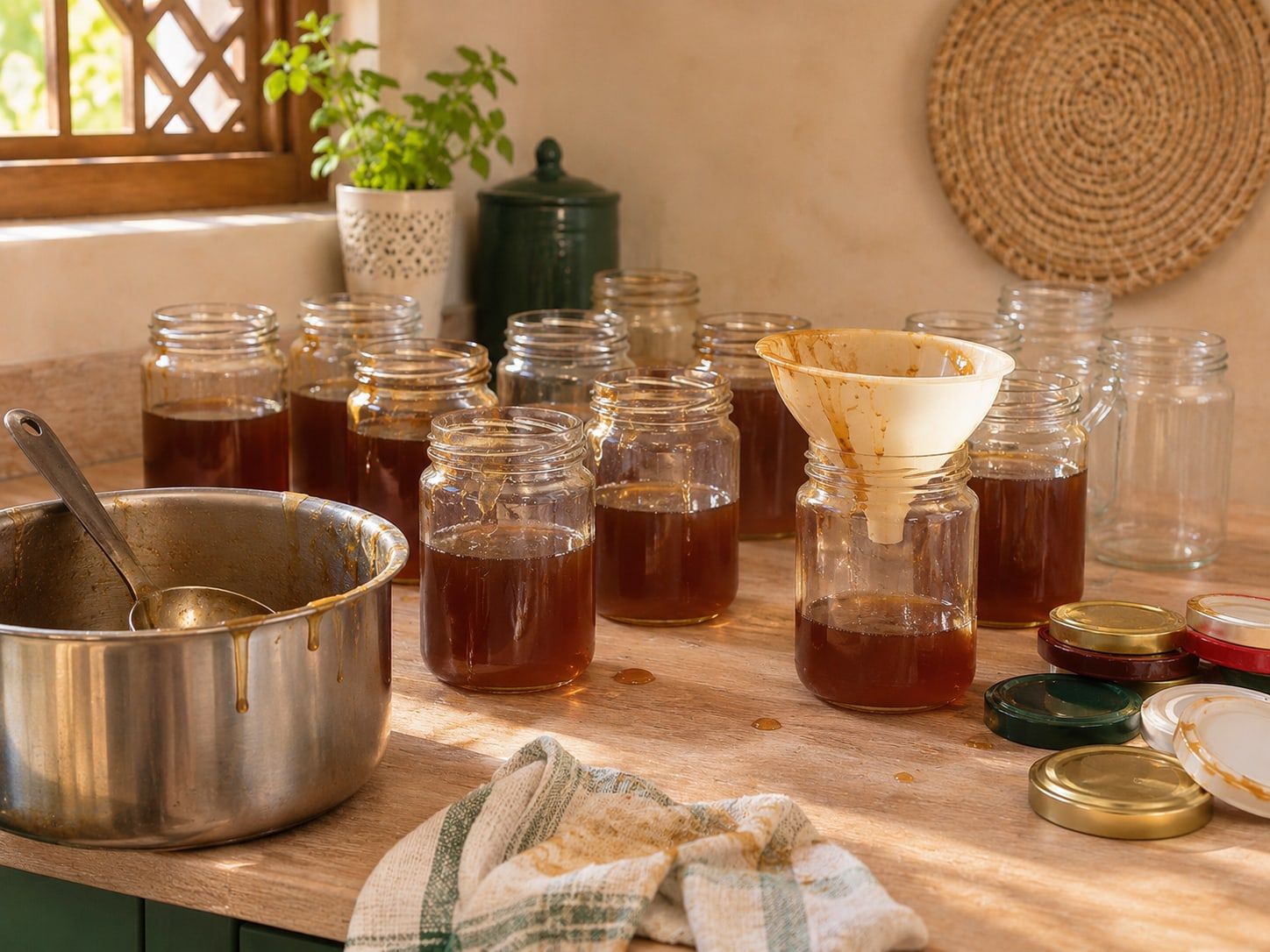
Many women in Oman make honey, dates and spices at home, and have sold them for years. Most still fill, seal and label every jar by hand. It takes hours each day, the finish varies from batch to batch, and in plain jars the products mostly reach people who already know the maker. Without consistent, labelled packaging, many shops will not stock them.
What each woman receives
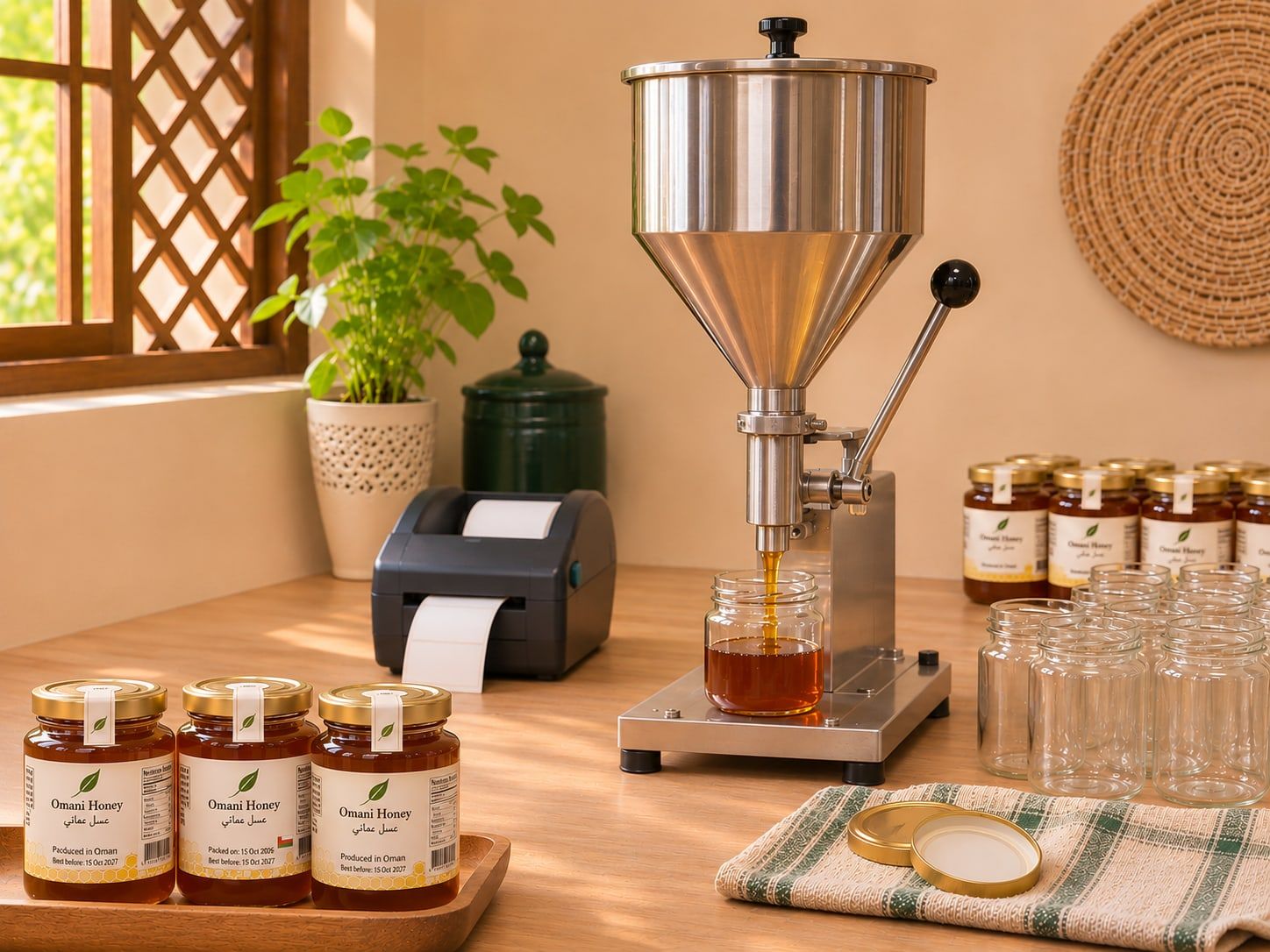
- Her own equipment to package, label, seal or fill her products. Items cost between 50 and 300 OMR each, and on average about 300 OMR equips one woman.
- A short training course on presenting her products and using the equipment.
- Help with branding, marketing and reaching new buyers after the equipment arrives.
What her products could look like
With her own equipment, the same honey, dates and spices can be sealed and labelled, ready for a shop shelf and for buyers who have never met the maker.
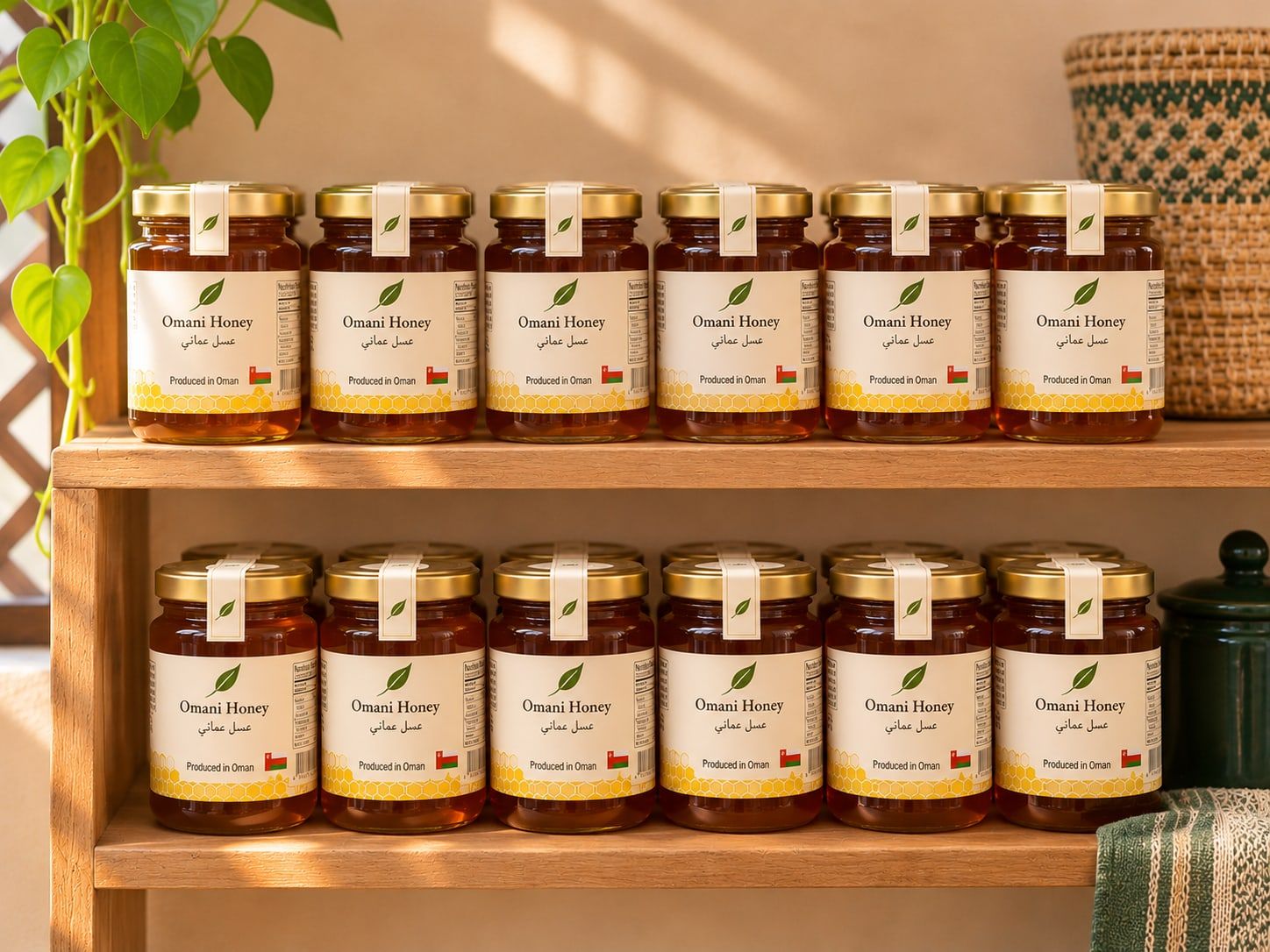
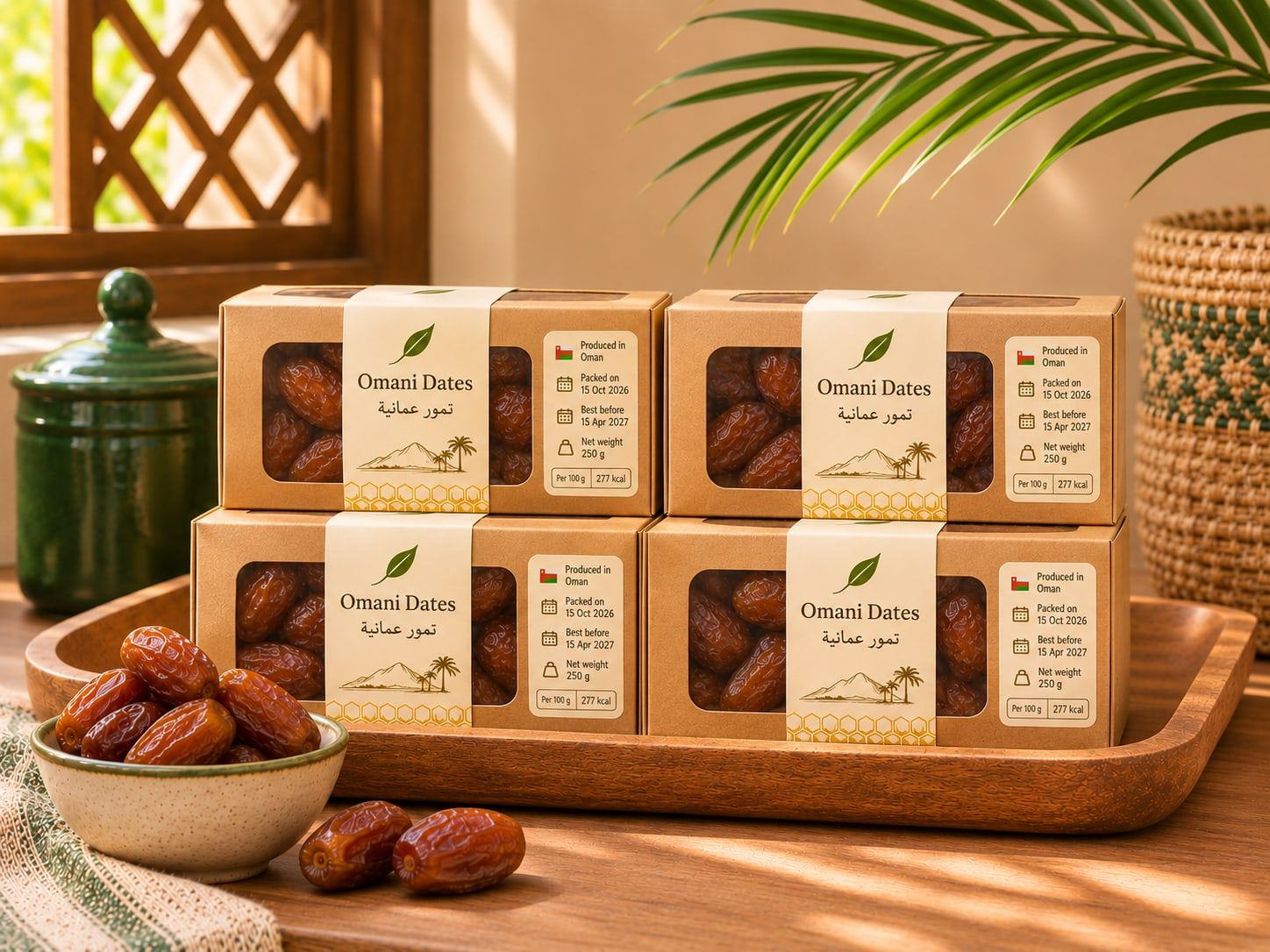
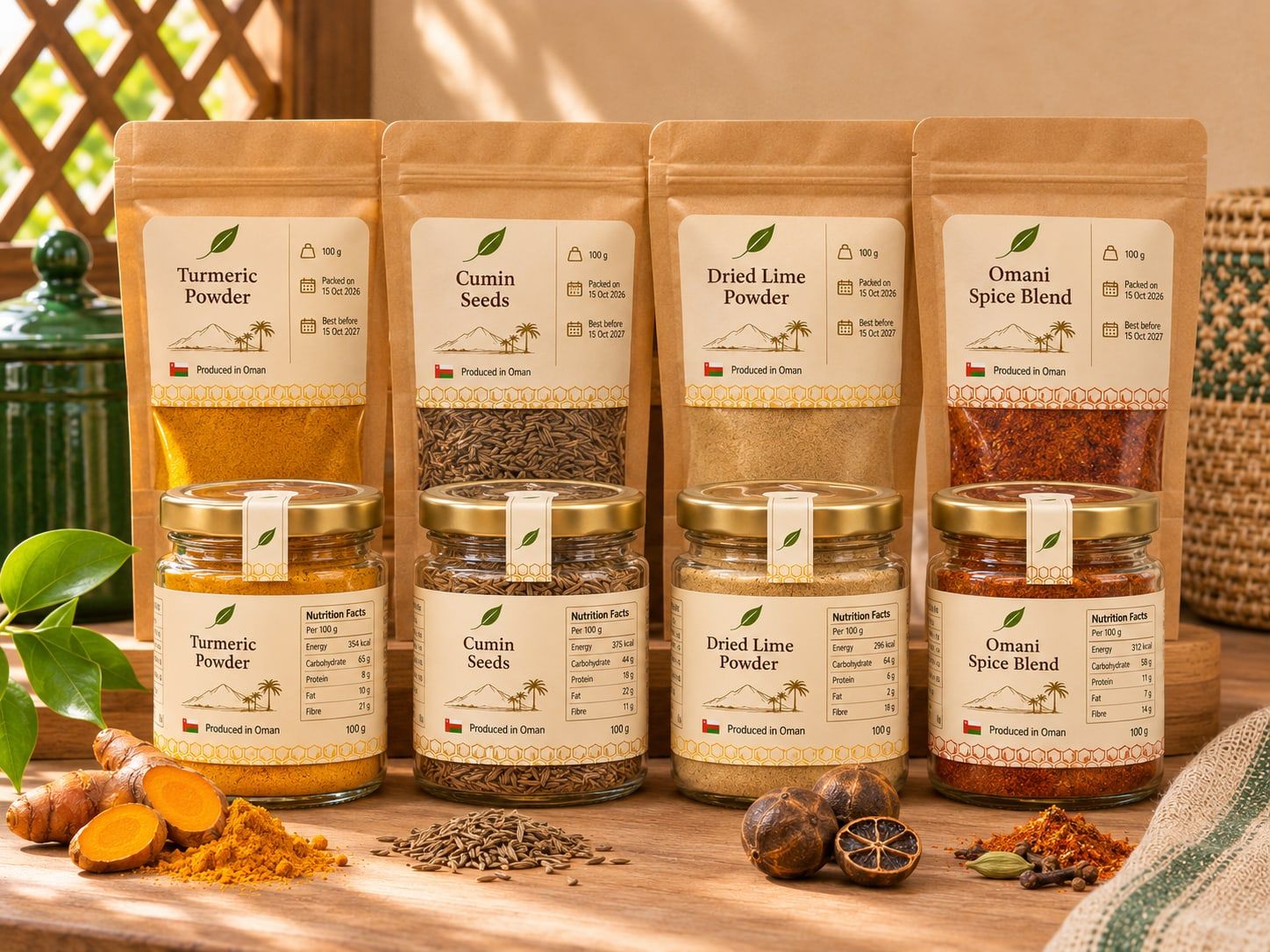
Pictures marked “AI illustration” were made with AI to show the change we are raising money for. We’ll add real pictures once the first deliveries are completed.
How it works
-
Select
Dar Al Atta selects women from its projects whose home businesses are already trading.
-
Equip
Dar Al Atta buys and delivers each woman’s own equipment, using the money raised.
-
Train
A short course on presenting products and using the new equipment, which Bithra helps run with Dar Al Atta.
-
Grow
Bithra’s team helps with branding, marketing and finding new buyers.
Where your money goes
Every donation goes directly to Dar Al Atta, a registered Omani charity, which issues the receipt and buys the equipment. Bithra never handles money. The more we raise, the more women we can equip.
What we will report
After delivery we publish an impact report covering:
- how many women were equipped and trained
- the equipment delivered, by type
- the change in hours spent packaging, monthly output and sales
- new shops and buyers
- one business’s story, shared with her consent
Timeline
-
Fundraising
Until Thursday 31 December 2026
-
Equipment and training
Planned for early 2027
-
Impact report
After delivery
Donate
Donations are made on Dar Al Atta’s own page, where Dar Al Atta takes the gift and issues the receipt.
Or in the app: download Dar Al Atta (opens the App Store) from the App Store or Google Play, find “Bithra Team” under Ongoing projects, and tap Donate.
For companies
To fund a group of women, lead a training session or ask about our partner pack, see Partner with us.
Partner with us